
- Details
- Written by: ofurpaur
- Category: Environment and Science
- Hits: 2693
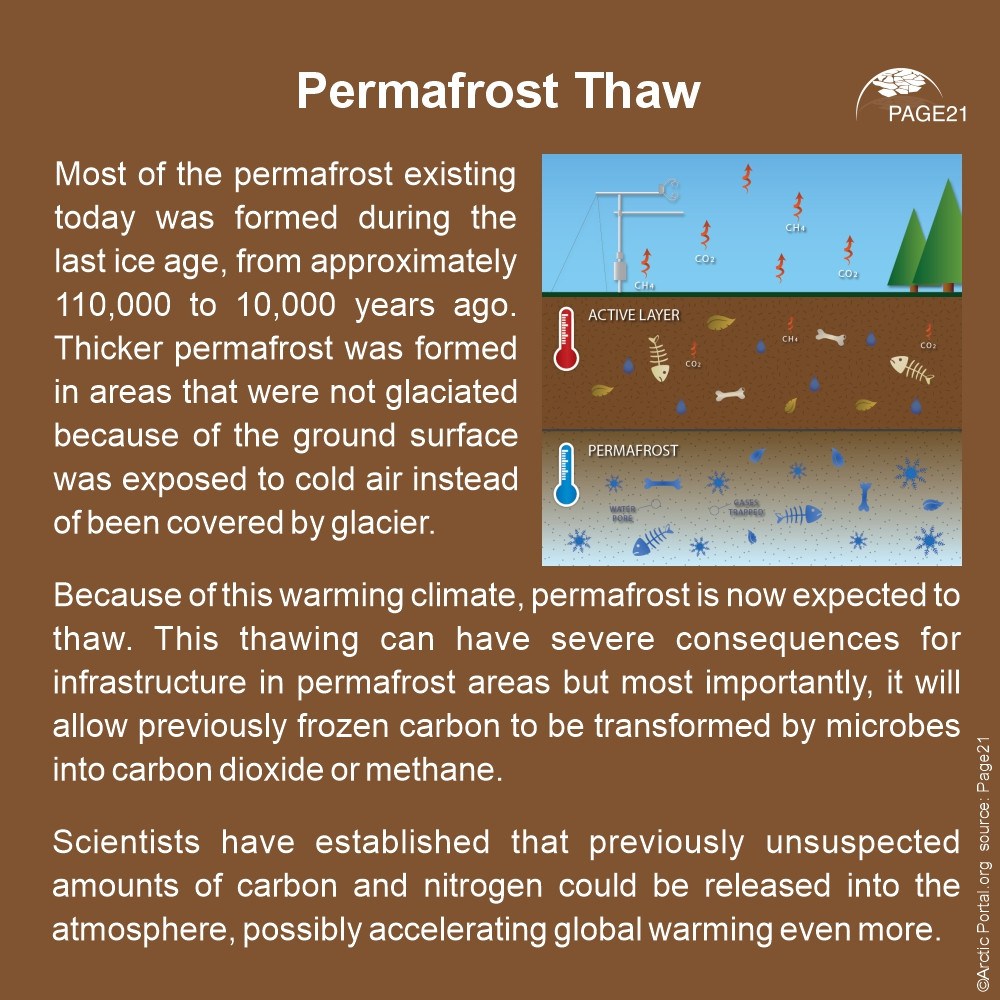
Most of the permafrost existing today was formed during the last ice age, from approximately 110,000 to 10,000 years ago. Thicker permafrost was formed in areas that were not glaciated because of the ground surface was exposed to cold air instead of been covered by glacier.
- Details
- Written by: ofurpaur
- Category: Environment and Science
- Hits: 3536
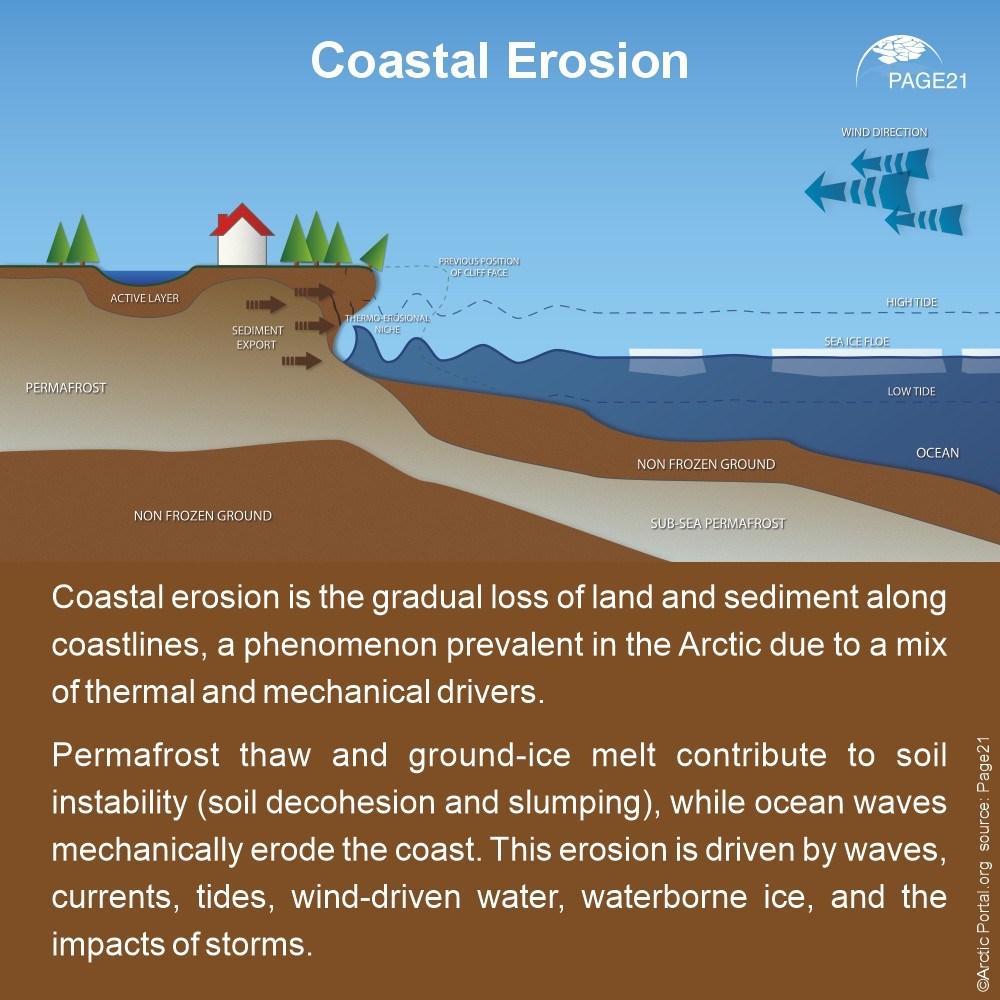
Coastal erosion is the gradual loss of land and sediment along coastlines, a phenomenon prevalent in the Arctic due to a mix of thermal and mechanical drivers.
- Details
- Written by: ofurpaur
- Category: Environment and Science
- Hits: 4516
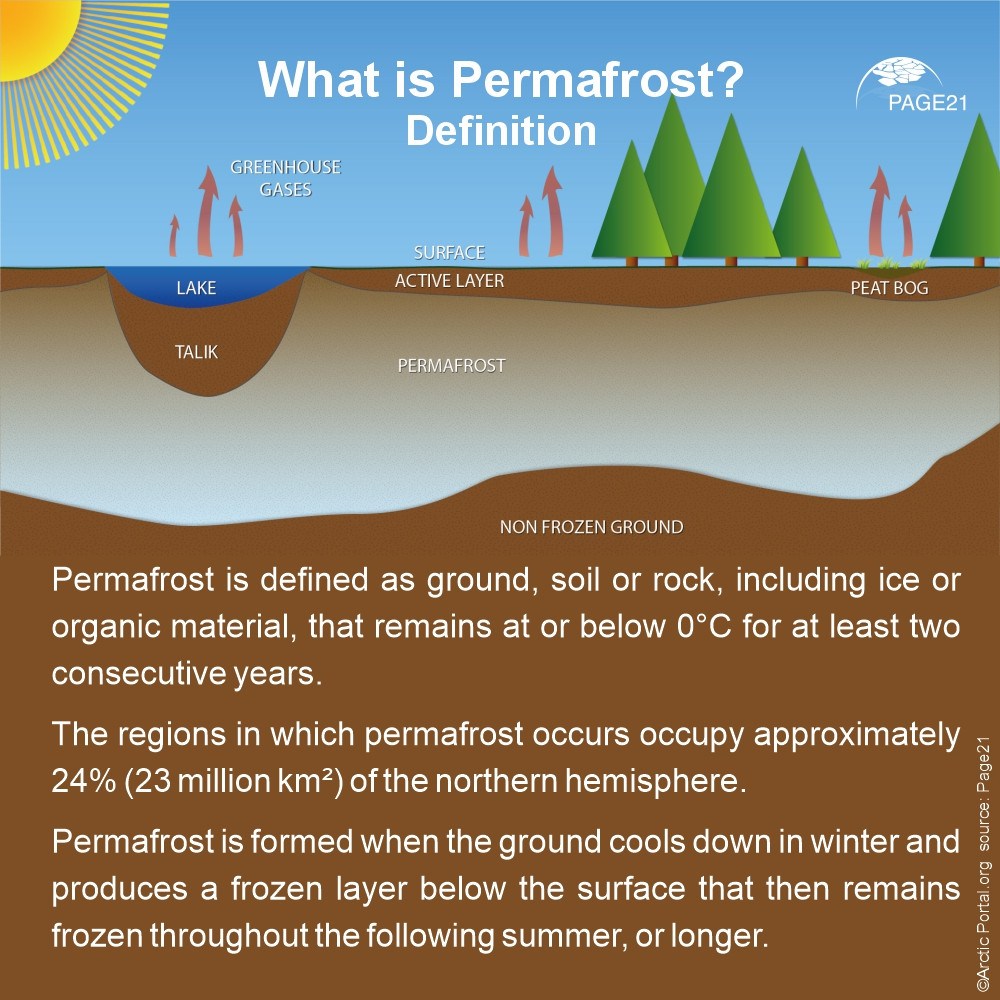
Permafrost is defined as ground, soil or rock, including ice or organic material, that remains at or below 0°C for at least two consecutive years.
- Details
- Written by: ofurpaur
- Category: Environment and Science
- Hits: 2540
A database of metadata for finding and accessing systems and related organizations that coordinate or track observing activities & infrastructure in the polar regions.