
- Details
- Written by: ofurpaur
- Category: The Arctic
- Hits: 2924
Numerous organizations work in the Arctic on indigenous peoples rights and other subjects. They range from the Permanent Forum of the United Nations, which is of course a global organization.
The Arctic Council is a big organization for the indigenous people, it has a working group working on their issues amongst other. It is the Sustainable Development Working Group but one of its goal is to "protect and enhance the environment and the economies, culture and health of Indigenous Peoples and Arctic communities."
United Nations Permanent Forum on Indigenous Issues
The Permanent Forum was established by the United Nations Economic and Social Council (ECOSOC) resolution 2000/22 on 28 July 2000. In this resolution, the UNPFII was given a mandate to discuss indigenous issues relating to economic and social development, culture, the environment, education, health and human rights.
The main objective of the UNPFII is to provide expert advice and recommendations on indigenous issues to the UN system through the Economic and Social Council; raise awareness and promote the integration and coordination of relevant activities within the UN system; and prepare and disseminate information on indigenous issues.
The Permanent Forum is comprised of sixteen independent experts of which eight are nominated by governments and eight directly by indigenous organizations.
International Work Group for Indigenous Affairs
IWGIA was founded by human rights activists and anthropologists in 1968. The first links established were with Brazilian and Paraguayan activists. Soon after, North American Indian activists and peoples from the Arctic, Oceania and Asia joined the work. Today indigenous peoples of Russia and Africa are also involved in IWGIA's global network.
IWGIA supports indigenous peoples' pursuit for human rights, self-determination, right to territory, control of land and resources, cultural integrity, and the right to development by collaborating with indigenous peoples' organizations and documenting and publishing material on indigenous peoples' struggle for survival and recognition.
IWGIA's work with indigenous peoples is guided by a rights based approach. Human rights are a key principle for IWGIA and considered as a fundamental tool for improving the economic and political situation of indigenous peoples.
The Arctic Council was established in 1996. The Arctic Council "Affirms its commitment to the well-being of the inhabitants of the Arctic, including special recognition of the special relationship and unique contributions to the Arctic of Indigenous Peoples and their communities." It also "recognizes the traditional knowledge of the Indigenous People to the Arctic and their communities and takes note of its importance" and "desires to ensure full consultation with and the involvement of Indigenous People and their communities and other inhabitants of the Arctic."
The Sustainable Development Working Group of the Arctic Council
The goal of the Sustainable Development Working Group (SDWG) is to propose and adopt steps to be taken by the Arctic States to advance sustainable development in the Arctic, including opportunities to protect and enhance the environment and the economies, culture and health of Indigenous Peoples and Arctic communities, as well as to improve the environmental, economic and social conditions of Arctic communities as a whole.
Permanent Participants to the Arctic Council
Indigenous peoples’ organizations have been granted Permanent Participants status in the Arctic Council. The Permanent Participants have full consultation rights in connection with the Council’s negotiations and decisions.
Arctic Council Indigenous Peoples’ Secretariat - IPS
The Arctic Council Indigenous Peoples’ Secretariat is a support Secretariat for the International Indigenous Peoples’ Organisations that are Permanent Participants to the Arctic Council . IPS does not speak for the Permanent Participants. Instead, it creates opportunities for the Indigenous Peoples’ Organisations to speak for themselves, and helps provide them with necessary information and materials.
Russian Association of Indigenous Peoples of the North - RAIPON
RAIPON was created in 1990 at the First Congress of Indigenous Peoples of the North. The Association was originally called the "Association of Peoples of the North of the USSR" and united 26 indigenous groups of the North Russia. Today, RAIPON unites 41 indigenous groups whose total population is around 250,000 people. These peoples are represented by 34 regional and ethnic organizations that have the authority to represent these groups both in Russia and in the international community.
Aleut International Association - AIA
The Aleut International Association represents Aleut on the Russian and American Aleutian, Pribilof and Commander Islands. It is an Alaska Native not-for-profit corporation, 501(c)(3), registered in the State of Alaska, United States of America, in 1998. AIA is governed by a Board of Directors comprised of four Alaskan and four Russian Aleuts under the leadership of a president.
Arctic Athabaskan Council - AAC
The Arctic Athabaskan Council (AAC) is an international treaty organization established to represent the interests of United States and Canadian Athabaskan member First Nation governments in Arctic Council fora, and to foster a greater understanding of the common heritage of all Athabaskan peoples of Arctic North America. In total, Arctic Athabaskan founding member governments represent approximately 32,000 indigenous peoples of Athabaskan descent residing in Arctic and Sub-Arctic North America. As more member governments from both the United States (Alaska) and Canada join, this number is expected to increase to approximately 40,000.
The Saami Council
The Saami Council is a non-governmental Saami organization (NGO), with member organizations in Finland, Russia, Norway and Sweden. Since its foundation in 1956 the Saami Council has actively dealt with Saami policy tasks. The primary aims of the Saami Council are the promotion of Saami rights and interests in the four countries having Saami population, to consolidate the feeling of affinity among the Saami people, to attain recognition for the Saami as one nation and to promote economic, social and cultural rights of the Saami in the legislation of the four states, Norway, Sweden, Russia and Finland. Saami Council renders opinions and makes proposals on questions concerning Saami people’s rights, language and culture.
The Inuit Circumpolar Council is a transnational non-governmental organization representing 150.000 Inuit across the Circumpolar North. The ICC began originally as an Inuit Circumpolar Conference, first held in 1977, and gradually evolved to become a Council in the 10th General Assembly meeting of the Inuit Circumpolar Conference in 2006 in Utqia?vik, Alaska. The ICC represents today four different Inuit regional organizations in Canada, Alaska, Greenland and Russia. The ICC Alaska consists of Inuit from the North Slope Borough, Northwest Arctic Borough, the Bering Straits Region, and the Yukon-Kuskokwim Region and the ICC Canada represents the four land-claim regions, namely Inuvialuit, Labrador, Nunavik, and Nunavut.
Gwich'in Council International - GCI
The Gwich'in Council International (GCI) was established as a non-profit organization in 1999 by the Gwich'in Tribal Council in Inuvik, NWT, to ensure all regions of the Gwich'in Nation in the Northwest Territories, Yukon and Alaska are represented at the Arctic Council, as well as to play an active and significant role in the development of policies that relate to the Circumpolar Arctic. GCI has a number of priorities that relate to the environment, youth, culture and tradition, social and economic development and education.
Other indigenous organizations in the Arctic
Conference of Arctic Parliamentarians - CPAR
The Conference of Parliamentarians of the Arctic Region is a parliamentary body comprising delegations appointed by the national parliaments of the Arctic states (Canada, Denmark, Finland, Iceland, Norway, Russia, Sweden, U.S.A.) and the European Parliament. The main aim of the Conference is to promote the work of the Arctic Council and it participates in the meetings of the Council as an observer. The Conference adopts a statement with recommendations to the Arctic Council and to the governments of the eight Arctic states and the European Commission. The Standing Committee closely monitors how the governments implement the Conference Statement, and take new initiatives to further Arctic cooperation.
Inuit Tapiriit Kanatami is the national Inuit organization in Canada, representing four Inuit regions – Nunatsiavut (Labrador), Nunavik (northern Quebec), Nunavut, and the Inuvialuit Settlement Region in the Northwest Territories. Inuit Tapiriit Kanatami, formerly Inuit Tapirisat of Canada, was founded in 1971 to represent and promote the interests of Inuit. In its history, ITK has been effective and successful at advancing Inuit interests by forging constructive and co-operative relationships with different levels of government in Canada, especially in the area of comprehensive land claim settlements, and representing Inuit during the constitutional talks of the 1980s.
The Grand Council of the Crees
The Grand Council of the Crees is the political body that represents the approximately (2003) 14,000 Crees or “Eeyouch” (“Eenouch” – Mistissini dialect), as they call themselves, of eastern James Bay and Southern Hudson Bay in Northern Quebec. The Grand Council has twenty members: a Grand Chief and Deputy-Grand Chief elected at large by the Eeyouch, the chiefs elected by each of the nine Cree communities, and one other representative from each community. The present Grand Chief is Matthew Mukash and the Deputy Grand Chief is Ashley Iserhoff. The Council’s head office is in the Cree community of Nemaska, although it also has offices in Montreal and Ottawa.
The Innu Nation is the organization that formally represents the Innu of Labrador, approximately 2200 persons, most of whom live in the two Innu communities of Sheshatshiu and Natuashish. The Sheshatsiu Innu live in the community of Sheshatshiu while the Mushuau Innu live in the community of Natuashish. Some Innu also live in other communities within Labrador and on the Island part of the province of Newfoundland and Labrador.
- Details
- Written by: ofurpaur
- Category: The Arctic
- Hits: 2864
Indigenous peoples are ancestors of men who lived on land, which currently is a territory of nation states. Throughout the years, they have maintained and cherished ancient and unique ways of life that are distinct from those of the dominant societies in which they live today.
Despite the indigenous cultures are very diverse, they have all experienced similar problems in the past. They have been deprived their identities, ways of life and lands in severe assimilation processes making them the most disadvantaged and vulnerable groups of people in the world today.
The first attempts of organization amongst the North American Indians occurred at around the same time as amongst the Sami of Scandinavia or around 1910. However, the international indigenous movement did not really begin before the beginning of the 1960's, when new way of thinking emerged and a wave of decolonization took place in the world.
In the process of decolonization, the UN adopted a resolution on the self-determination of peoples, which guaranteed all peoples a right to determine their own social and cultural development.
In the beginning of the 1970's the United Nations started to notify the disadvantaged position of indigenous peoples in connection with its work on racism. A comprehensive study on indigenous peoples was conducted resulting in establishment of the UN Working Group on Indigenous Population in 1982.
The mandate of the Working Group contained two major issues. It was to create standards concerning the rights of indigenous peoples and review the developments pertaining to the promotion and protection of human rights and fundamental freedoms of indigenous peoples.
In 1993, after ten years of intensive work a Draft declaration on the rights of indigenous peoples was adopted. It took though another fourteen years before the states could agree on the declaration and finally it was adopted by the UN General Assembly in September 13, 2007.
It is estimated that there are today more than 370 million indigenous peoples in some 70 countries worldwide. Since the establishment of the Working Group in 1982, awareness on indigenous issues has been steadily arising. Today, their rights are well protected under international law. However, work is still to be done before the world's indigenous peoples can say that their identities and ways of life are truly respected by the dominant societies.
Key international Legal Agreements on Indigenous Peoples Rights
International
- United Nations Declaration on the Rights of Indigenous Peoples
- International Covenant on Civil and Political Rights
- International Covenant on Economic, Social and Cultural Rights
- International Convention on the Elimination of All Forms of Racial Discrimination
- Convention (No. 169) concerning Indigenous and Tribal Peoples in Independent Countries
Europe
- Convention for the Protection of Human Rights and Fundamental Freedoms as amended by Protocol No. 11
- Framework Convention for the Protection of National Minorities
- European Charter for Regional or Minority Languages
- Council of Europe Framework Convention on the Value of Cultural Heritage for Society
Americas
- Details
- Written by: ofurpaur
- Category: The Arctic
- Hits: 2475
Indigenous Peoples (also known as Aboriginals) is the collective term for the original inhabitants of North America and their descendants. According to the Canadian Constitution Act of 1982, the Indigenous Peoples of Canada include First Nations, Inuit, and Métis.
First Nations are the largest Indigenous group in Canada, comprising diverse nations with distinct cultures, languages, and histories. The term refers to Indigenous peoples who are neither Inuit nor Métis and includes more than 600 recognized First Nations governments or bands across the country.
As of the 2021 Canadian Census, more than 1.8 million people in Canada identified as Indigenous, representing 5.0% of the national population. This includes approximately:
- 1.05 million First Nations people,
- 624,000 Métis,
- and 70,500 Inuit.
Indigenous communities are located in urban, rural, and remote regions across Canada. These include:
- First Nations communities (often on reserves),
- Inuit communities in Nunavut, Northwest Territories, Northern Quebec (Nunavik), and Labrador (Nunatsiavut),
- and Métis settlements and Indigenous urban populations in cities like Winnipeg, which is home to one of the largest urban Indigenous populations in the country.
First Nations, Inuit, and Métis peoples have long contributed to Canadian society as leaders, artists, activists, and cultural knowledge-keepers, helping to shape a richer and more inclusive national identity.
History and Cultural Legacy
Prior to European contact, Indigenous civilizations in Canada featured permanent settlements, agriculture, civic and ceremonial architecture, complex social structures, and widespread trading networks.
The Métis culture emerged in the mid-17th century from the union of First Nations or Inuit women and European fur traders, creating a unique and vibrant cultural identity that blends Indigenous and European traditions.
The Inuit, due to their remote Arctic location, had more limited interaction with Europeans in the early colonial period. Over time, however, Inuit communities were drawn into national policies, treaties, and land claims processes alongside First Nations and Métis peoples.
Numerous laws, treaties, and modern agreements have been enacted between Indigenous communities and the Canadian government. The right to self-government allows Indigenous groups to manage their own historical, cultural, political, health, and economic affairs.
The Creation of Nunavut
One of the most significant milestones in Indigenous self-governance came with the creation of Nunavut in 1999—a result of decades of negotiation and activism. The Nunavut Land Claims Agreement was the largest Indigenous land claim settlement in Canadian history, granting the Inuit rights to nearly 350,000 square kilometres of land and control over natural resources, wildlife harvesting, and development planning.
In 1982, a plebiscite in the Northwest Territories showed 53% support—including a majority of Inuit and First Nations—for dividing the territory. After years of further negotiations, Nunavut officially became Canada's third territory on April 1, 1999.
With its capital in Iqaluit, Nunavut established a public government that represents both Inuit and non-Indigenous residents, though it maintains strong emphasis on Inuit culture, language, and values. Workers may even take leave for traditional activities such as hunting and fishing.
On July 1, 2009, Nunavut enacted the Inuit Language Protection Act, making Inuktut (including Inuktitut and Inuinnaqtun), English, and French the territory's official languages. The Act ensures services, education, and communications are available in Inuktut, strengthening cultural preservation.
The Nunavut Trust, which oversees compensation payments from the federal government, distributes funding among the three regional Inuit associations:
- Kitikmeot Inuit Association
- Kivalliq Inuit Association
- Qikiqtani Inuit Association
These associations play key roles in local governance, resource management, and cultural advocacy across the territory.
Source: The Arctic by R. Sale Arctic Human Development Report Aboriginal Peoples Nunavut Land Claims Agreement
- Details
- Written by: ofurpaur
- Category: The Arctic
- Hits: 2951
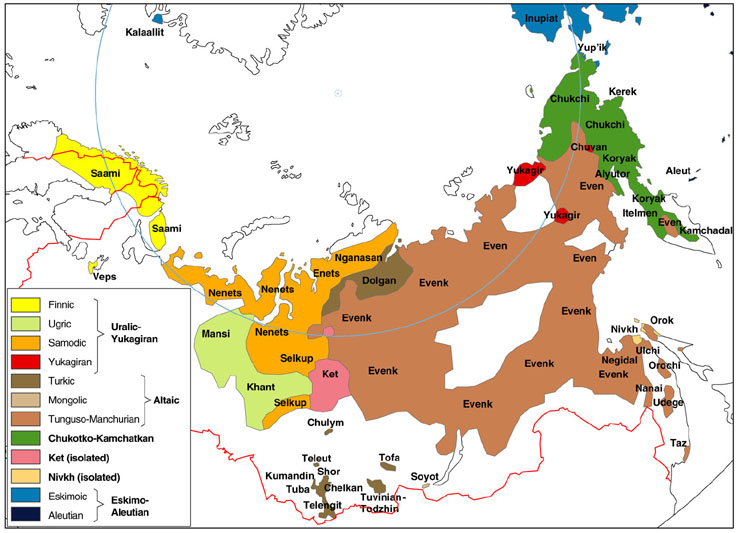
The original Arctic dwellers in the Arctic are the Saami reindeer herders, but in Russia there lives several groups who are much like the Saami.
These groups include for example the Nganasans of the Taimyr Peninsula, Nenets in North-West and the Chukchi of the Chukotka Peninsula whose lifestyles are also dependent in hunting and herding reindeer.
Russia has an official list of indigenous peoples. The Common List of Indigenous Small-numbered Peoples of Russia was approved by the government of Russia in 2000.
To fall into the categories indigenous the people have to live in their historical territory, preserve traditional way of life, occupations, and trades, to self-recognize them as a separate ethnicity and a population of minimum 50,000.
The Russian indigenous population is estimated at approximately 180,000 people residing or approximately in 28 different regions within the Federation.
These peoples are subject to benefits according to a number of laws aimed at preservation and support of the ethnicities. Ten of the peoples count less than 1,000 and 11 of them live beyond the Arctic Circle.
In the Far North, there is a total of 17 groups recognized as indigenous peoples, amongst them Inuit and Sami. 8 groups live in the Far East, and 8 in Central and 8 in Southern Siberia. In addition, there are 7 groups who have 50 thousand people or less and 4 groups who have 40 thousand people or less. A total of 8 groups are not categorized but are considered indigenous.
The regions of the Far North and similar areas make up about 64% of the territory of the country. The total population of the North on the other hand accounts for approximately 8% of the entire population of the Russian Federation.
The Russian North accounts for 20% of the national income and about 60% of total export earnings. At the same time, the transport and social infrastructure of the northern regions is underdeveloped, and it encumbers economic development of the Far North.
The current state of the Indigenous population can be called critical because the living standard is low compared to the rest of the country's population. The level of subsistence is low, traditional languages are endangered and a number of nationalities are being driven to extinction.
At one time independent of the Russian state, the Indigenous populations were integrated in the Tsarist Russian and later Soviet society. In the course of time these ethnic groups have experienced different methods of governance which have had varying consequences on their traditional ways of life.
See Quick-Facts about (click on the images):
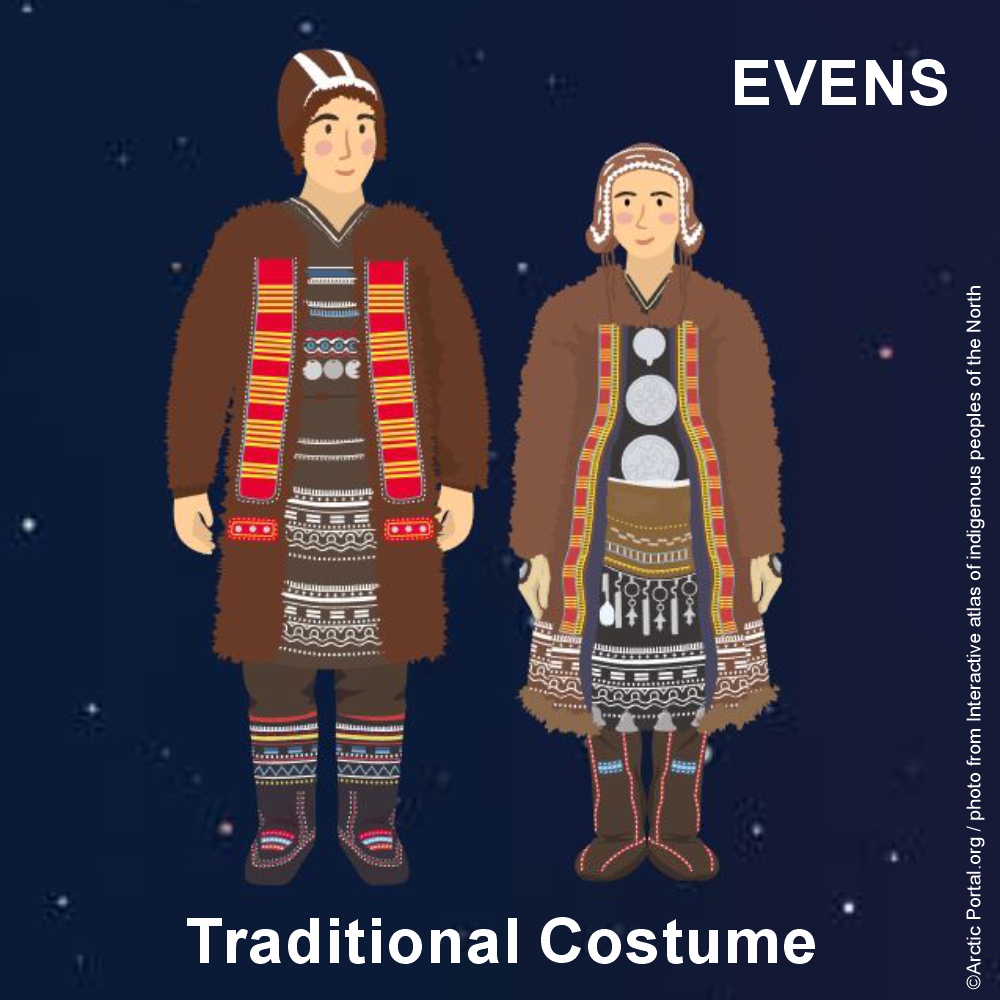
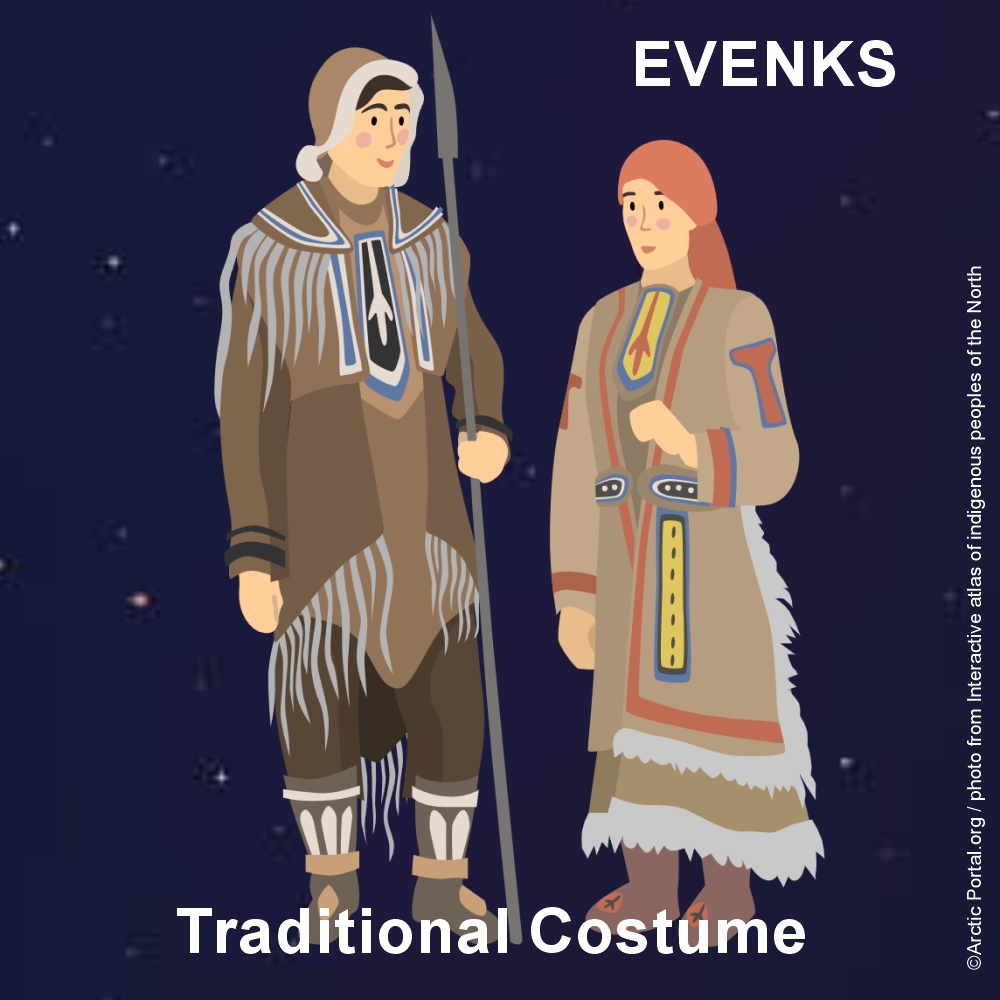
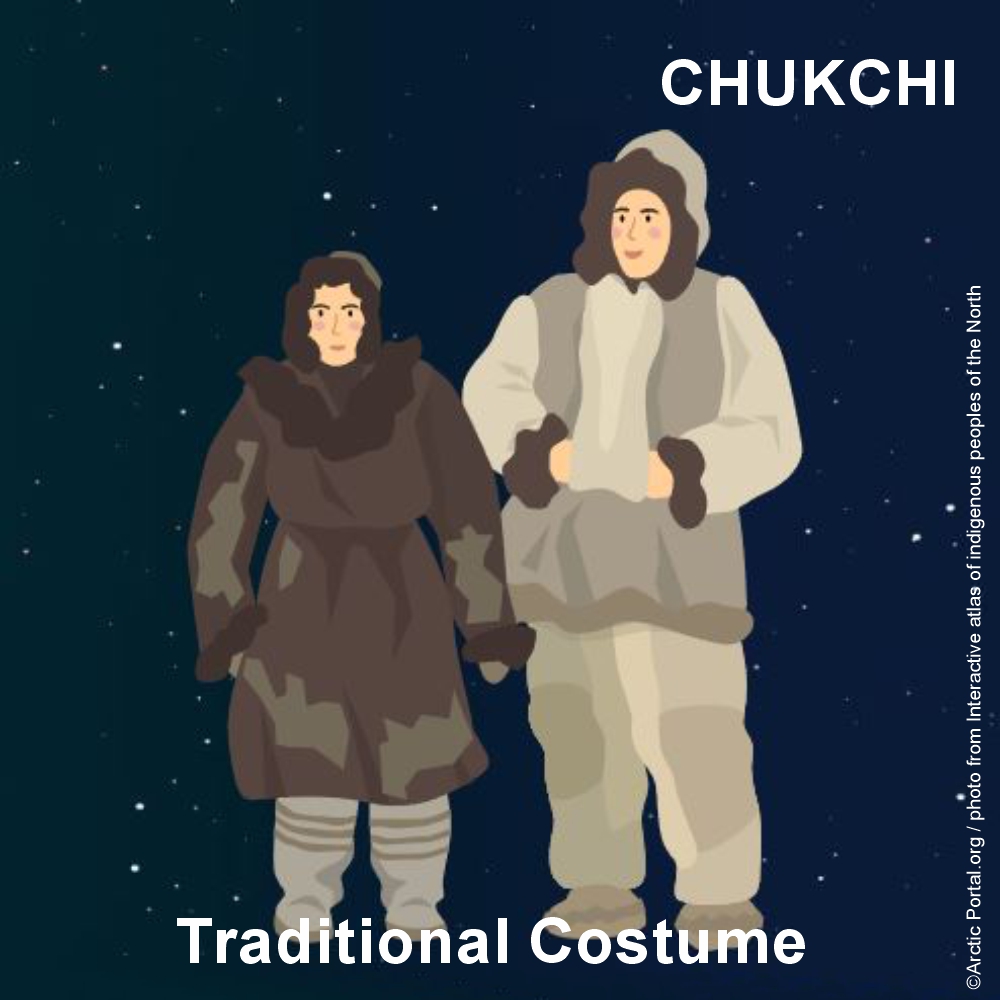
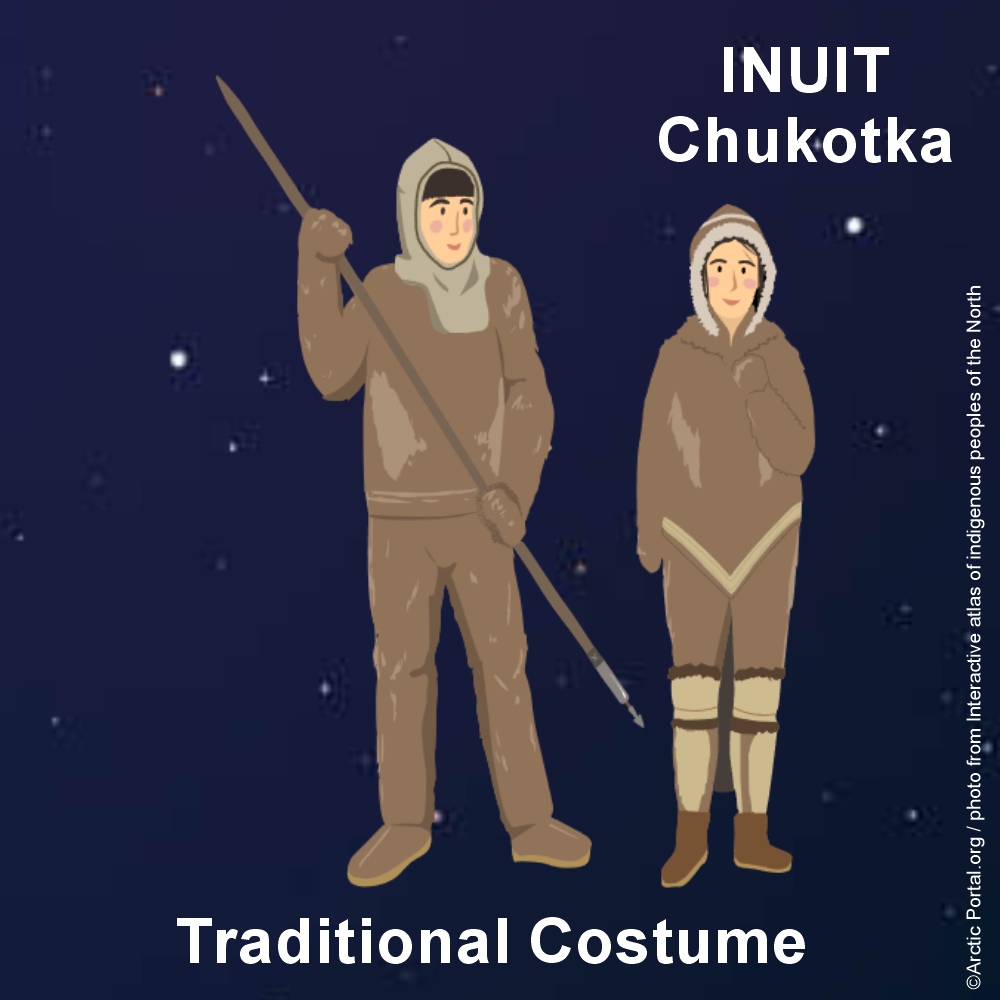
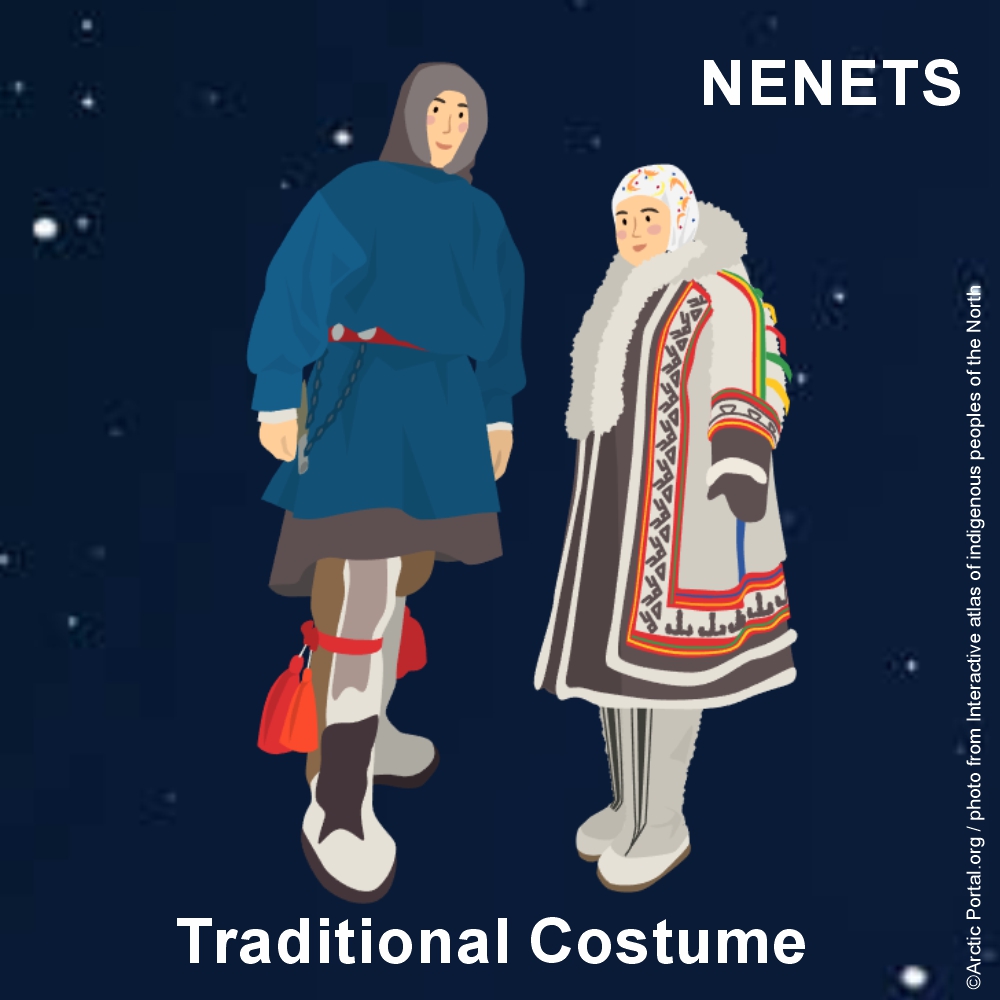
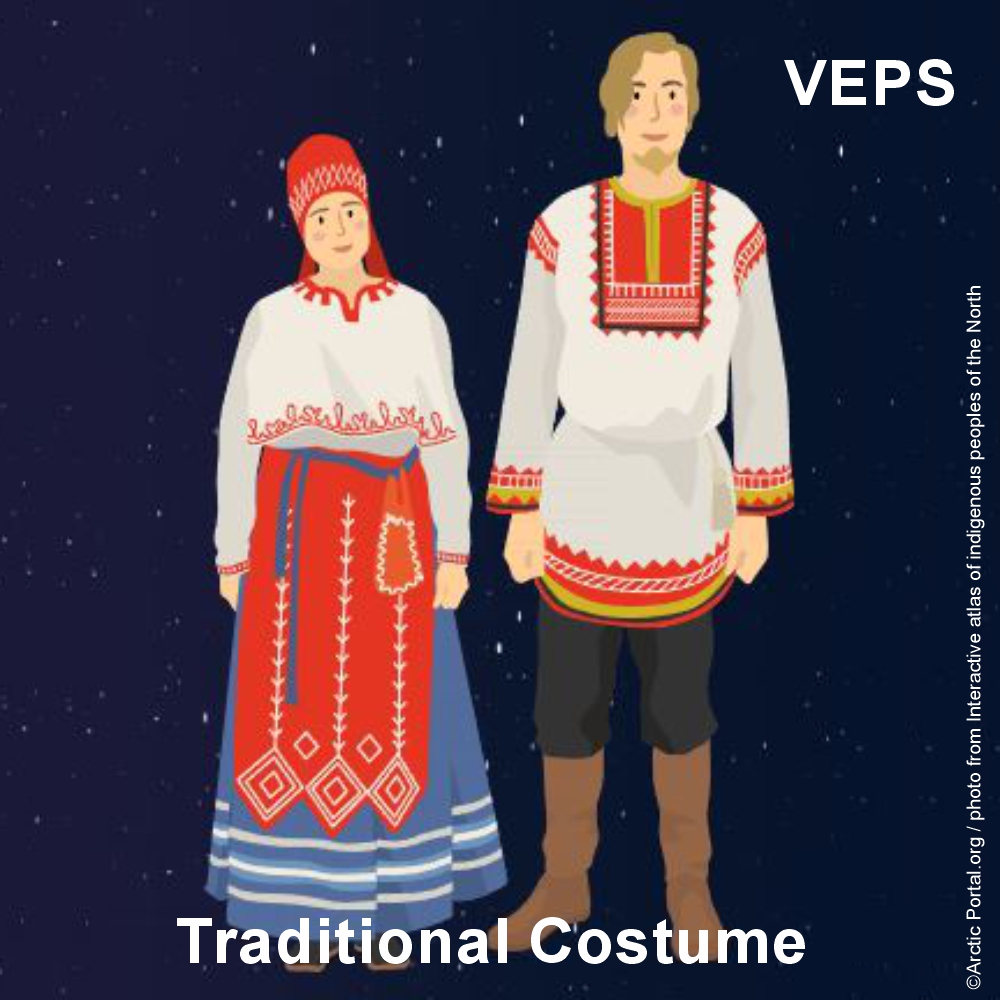
Source: The Arctic by Richard Sale Arctic Human Development Report Indigenous People of Russia
- Details
- Written by: ofurpaur
- Category: The Arctic
- Hits: 3164

Lapland is difficult to define geographically. The region spans over 400,000 km², encompassing northern parts of Norway, Sweden, and Finland, as well as the Kola Peninsula in Russia. While often referred to as Lapland, this diverse area is more accurately called Sápmi—the traditional homeland of the Sámi people (Saami people), who today hold different nationalities and speak various Sámi languages and dialects.
The Sámi population is estimated to be between 80,000 and 135,000. The largest population lives in Norway, but significant communities also reside in Sweden, Finland, and Russia.
The Sámi are Indigenous to the Arctic and sub-Arctic regions of Fennoscandia and northwestern Russia, and their ancestors have inhabited the region for at least 5,000 years. Their origins are linked to ancient peoples from the Ural Mountains, from where they gradually migrated across Siberia and into northern Europe.
As one of the Arctic Indigenous peoples, the Sámi are represented internationally through bodies such as the Arctic Council Indigenous Peoples’ Secretariat, the Sámi Council, and the Sámi Parliamentary Council—which unite Sámi from across the four countries of Sápmi.
Culture and Modern Life
Traditionally, reindeer husbandry, fishing, and a deep connection with nature have been central to Sámi livelihoods and worldview. While these practices continue in many areas, modern Sámi society is diverse. Many Sámi today have university educations and work across a wide range of professions within their respective countries.
Sápmi includes central and northern regions of Norway and Sweden, northern Finland, and the eastern part of Russia’s Kola Peninsula—areas where traditional reindeer herding is still actively practiced.
Over recent decades, Sámi culture has undergone a cultural revival and transformation. Since the 1970s, Sámi identity has been revitalized through a blend of traditional knowledge and contemporary expressions. In the 1990s, Sápmi adopted national symbols that reflect Sámi unity and pride in a modern world.
The Sámi flag—featuring blue, red, green, and yellow—now flies at official gatherings and cultural events. The Sámi national anthem, written by Isak Saba in the early 1900s, has regained popularity, though today it is joined by modern expressions such as national yoiks (traditional Sámi vocal music). Sámi National Day, celebrated on February 6, commemorates the first Sámi congress in 1917.
Food and Traditions
Reindeer husbandry and fishing have deeply shaped Sámi cuisine. Traditionally, Sámi life has followed the seasonal cycle of nature, requiring flexibility and resourcefulness to make use of what the land and water offered throughout the year.
Today’s Sámi diet blends traditional and modern elements. Reindeer meat, fish, and berries remain highly valued, along with time-honored preparation methods such as drying, smoking, or fermenting. Popular Sámi dishes include:
- Kumpukset – boiled cakes made from reindeer blood and flour
- Meat soup and fish soup prepared with seasonal ingredients
- Dried or smoked reindeer meat – a beloved delicacy
- Dried fish – still enjoyed in many Sámi communities
These foods reflect the Sámi's enduring relationship with the natural world and the adaptability of their cultural practices across generations.
More information on Sámi people
See quick fact on: Sámi Christmas Traditions: Blending Nature, Spirit, and Christian Influence
Source: The Arctic by Richard Sale, Arctic Human Development Report