
- Details
- Written by: ofurpaur
- Category: YAR & Features
- Hits: 18450

All across its length, Russia´s territory reaches up toward the Pole, giving it the broad belt of land being situated within the Arctic Circle.
- Details
- Written by: ofurpaur
- Category: YAR & Features
- Hits: 22497
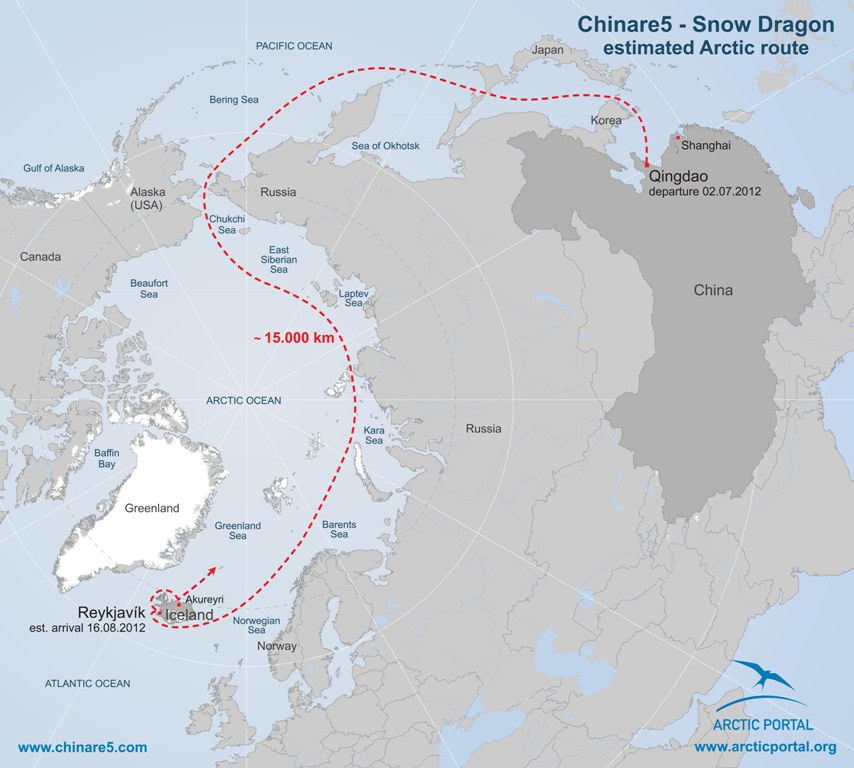
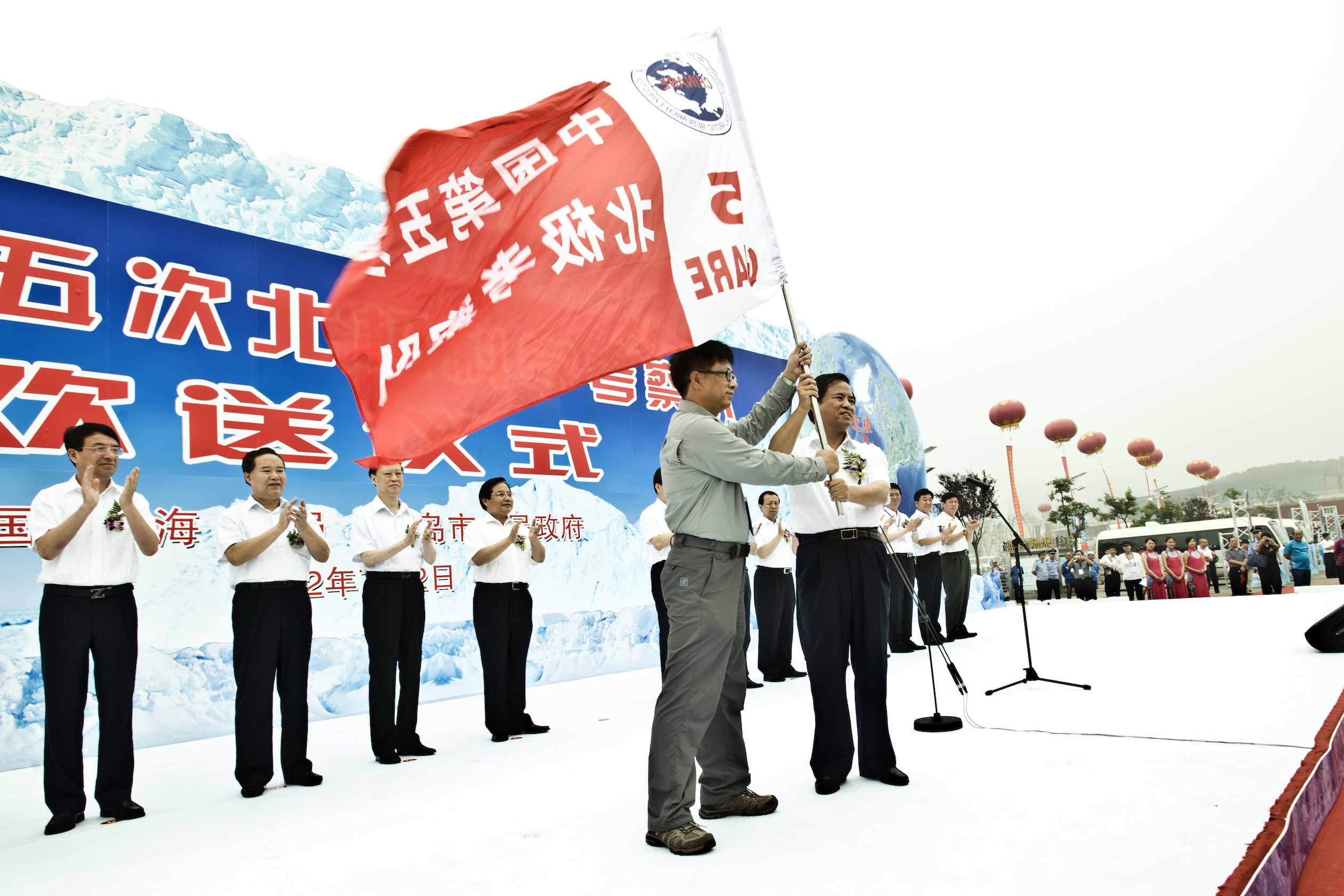 In beginning July of 2012 the Snow Dragon started its expedition to the Arctic. The voyage was launched from Qingdao in China. The 5th Chinese National Arctic Research Expedition (CHINARE 5) will sail for around 6 weeks before reaching Iceland in August.
The voyage to Iceland will strengthen the two countries Arctic research cooperation further and during its stay in Iceland the public will have an opportunity visit the Snow Dragon.
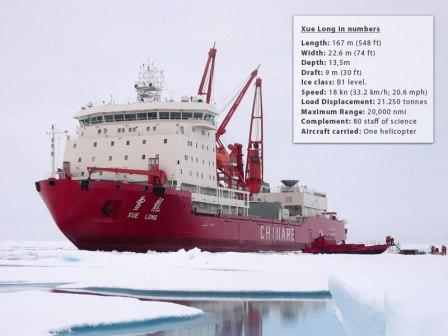
Xuelong, the Snow Dragon, is the icebreaker of the Polar Research Institute of China (PRIC). It is the largest non-nuclear powered icebreaker in the world. It was built as an ice-strengthened cargo ship, in Ukraine in 1993 but is now a floating laboratory with state of the art facilities and equipment for polar research. It was modified in 1994. The Xuelong is 167m long, almost 23 meters wide and the ice class is B1 level, it can break through 1.1m of ice, including 20cm of snow by 1,5 knots continuously.
It is both a supply vessel for the four research stations PRIC has, one in Svalbard and three in Antarctica, and a scientific research platform in both Poles.
This will be the fifth expedition of the icebreaker in the Arctic; the others took place in 1999, 2003, 2008 and 2010. Although CHINARE 1 and 2 were only one-year projects they provided a framework for comparative research in the future within the investigated areas. CHINARE 3 and 4 were conducted under the International Polar Year (IPY) and raised the knowledge level in China about the Arctic's rapid changes.
The Xuelong, research vessel for the 5th Chinese expedition, is equipped with advanced systems for self-contained navigation and for weather observation, both extremely important qualities for polar expeditions. There are also excellent facilities for the scientist.
The icebreaker has a data processing center and seven laboratories with over 500sq meters of working space, it has operational equipment, a freezer to store samples, a low temperature cultivation room, a clean laboratory, a marine biological laboratory, a marine chemical laboratory, a geological laboratory, and a CTD winch, a biological winch, a geological laboratory, and a hallow-section device of EK-500 model.
Furthermore it contains three operating boats and a helicopter for the transportation and research purposes in the Arctic and Antarctic regions.
China is now designing a new research icebreaker, to be launched in 2014. It will be equipped with the most advanced appliances for marine, polar and astronomical research. The icebreaker will be stronger then the Xuelong, able to sail through rougher ice conditions.
The scientists and staff on board the Snow Dragon work in several fields of research. The field work area is very broad and covers Bering Sea, Chukchi Sea, Chukchi Plateau, Canada Basin and the High sea of Norwegian Sea.
Several research points will be re-visited, from the other four Chinese National Arctic Research Expeditions. Most of them are located in the Bering Sea, the Chukchi area and the Canada basin.
However, the High Norwegian Sea will be explored by CHINARE for the first time. China is famous from their research stations in Ny Alesund and Svalbard. The opportunity to explore the Norwegian High Sea greatly contributes to the stations 'scientific research.
The main subjects of research in the expedition are divided into four fields: physical oceanography and sea ice, marine meteorology, marine geology, marine chemistry and atmospheric chemistry, marine biology and ecosystem research.
The research´s main objectives are to include the survey of the marine environment and sea – ice – air system, geologic record of rapid changes in the marine environment and the research on the carbon flux, nutrients and bio geochemical cycle in the Arctic.
 However, what is more important, during the expedition, the scientists try to study the impact of Arctic changes on Chinese climate and investigate the Arctic ecosystem response to global change.
Click here to read more about the research fields during the 5th Chinese Arctic expedition.
The expedition is jointly organized by the Chinese Arctic and Antarctic Administration (CAA) and the State Oceanic Administration of China (SOA). The Polar Research Institution of China (PRIC) is the research body of CAA.
Please, be referred to CHINARE Portal to find out more about the expedition. To read more about the Arctic shipping, please access the Shipping Portlet and visit Interactive Mapping System.
Source: Chinare PortalSource:
See also:
- Details
- Written by: ofurpaur
- Category: YAR & Features
- Hits: 11561
"Sustainable development is development that meets the needs of the present without compromising the ability of future generations to meet their own needs"
World Commission on Environment and Development
Brundtland Report 1987
Sustainable development is recognized as the pattern of economic growth in which the use of natural resources meets population´s needs in environmentally friendly way. Initially, the term was used by the Brundtland Commission in 1987. Since then it has become the most commonly used definition to describe the economic growth.
The history of United Nations involvement in the world´s sustainable development goes back to 1972 when industrialized and developing nations gathered in Stockholm to discuss and find global solutions to such a problems as housing, food and water security, healthy and productive environment.
In 1980, the International Union for the Conservation of Natural Resources did publish the World Conservation Strategy, which provided the precursory concept of sustainable development. The Strategy adopted a collective approach which stated that the conservation of nature cannot be achieved without an elimination of poverty and misery of millions of people. The idea stressed the interdependence of conservation and development and acknowledged that unless the fertility and productivity of the planet are safeguarded, the human population´s future is at risk.
Few years later, the World Commission on Environment and Development was created and presented as an independent body of United Nations General Assembly. It implemented the Global Agenda for Change, in which the social, economic, cultural and environmental global issues were wove together and the attempt of providing solutions to those problems was made.
In June 1992, the first UN Conference on Environment and Development was held in Rio de Janeiro. The Event created the Agenda for Environment and Development which is now called Agenda 21 and included Rio Declaration on Sustainable Development and the Statement of Forest Principles. Agenda 21 has been monitored by established in 1993 Commission on Sustainable Development.
A decade after the Rio Declaration, the World Summit on Sustainable Development took place. It aimed to renew the global commitment with regards to sustainable development by creating the Johannesburg Plan of Implementation that would suggest changes to global unsustainable patterns, bring up ideas for poverty reduction, protection and management of natural resources. What is more, Johannesburg Plan of Implementation established the institutional framework for sustainable development at the international level. On 24th December 2009 the UN General Assembly agreed to hold the United Nations Conference on Sustainable Development in 2012.
Exactly twenty years after the adoption of Agenda 21, representatives of governments, private sectors, NGOs and other stakeholders, gather in Brazil to focus on poverty reduction and advancement of social equity and environmental protection.
Since 1992 a lot of progress has been made mainly on elaboration of regional, national and local sustainable development strategies, the adoption of binding agreement on Climate Change, the implementation of the Convention on Biological Diversity and associated international and regional action plans. What is more, the ratification of the Aarhus Convention on environmental democracy, by forty four states in the UNECE region.
The one could argue, that today´s global crisis (of democracy, world´s economics and finance), biodiversity loss, climate change and food security issue were sustained on unprecedented rate despite of all the efforts.
Nevertheless, states – parties to the Convention, combines efforts to emphasize a holistic, equitable and far – sighted approach to decision making processes at all levels. The joined initiative during the gathering in Brazil, will present not only strong economic performance but intergenerational and intragenerational equity. The ideas for the meeting rest on integration and balanced consideration of social, economic and environmental goals and objectives in both public and private sectors of decision making process.
This year´s event touches two major themes: green economy in the context of sustainable development poverty eradication and the institutional framework for sustainable development. Further, those were divided into seven thematic sessions, including problems of the world´s unemployment, development of cites as hubs for modern ideas, food water and energy security, major problems of oceans ´ecosystems plus the strategies for prevention and recovery after the natural disasters.
The UNCSD, Rio +20, is without a doubt an intergovernmental and interdisciplinary process driven by the UN member states with the full involvement of the UN bodies and Major Groups. Member states led the meetings before the event in order to discuss the objective and themes of the Conference, so it could be convent at the highest possible level. The preparatory work of the states – parties to the UN is fully transparent and can be accessed by the public on the UNCSD website.
Close to 500 side events take place during Rio +20. Those are mainly organized by governments 'representatives, organizations from the United Nations system and other various international and intergovernmental organizations. Sustainable Development Dialogue days will take its place at the Summit.
It has been long understood that the sustainable development is not possible to be achieved by the governments without democratic involvement of citizens. Their active participation is organized in Major Groups, where all sectors of society and all types of people, including consumers, workers and trade unions, business and industry´s representatives, farmers, students and researchers, educators and indigenous peoples, come together to contribute their local ideas.
United Nations Conference on Sustainable Development significantly creates the opportunity for the world´s leaders to bring up the paradigm of sustainable lifestyles and establish the usable framework for future generations. The event is also an important symbol as it celebrates 20th anniversary of Agenda 21.
More importantly, Rio +20 is a chance for the states – parties to the Convention, to declare the fulfillment of commitments made with regards to sustainable development policies. The Conference program in its vision highlights the critical involvement of various stakeholders to strengthen the rights of environment, the rights of nature.
Source: Rio +20, United Nations Conference on Sustainable Development- Details
- Written by: ofurpaur
- Category: YAR & Features
- Hits: 11716
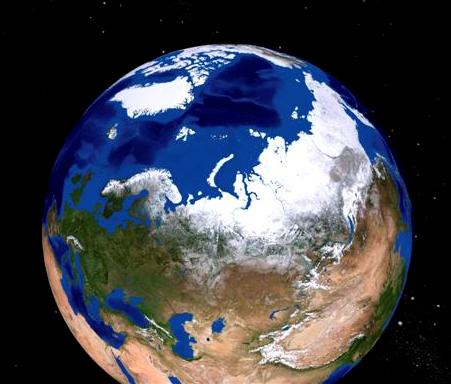
Future trajectories for the Arctic investments - highlights from the new Lloyds´ report: "Arctic opening: opportunity and risk in the High North"
The Arctic is comprised of a large ocean area and land areas of eight states: Canada, Denmark (Greenland), Norway, Russia, USA (Alaska), Finland, Sweden and Iceland. The Arctic's most pronounced feature, at least until very recently, has been the large ice-covered ocean. However, significant changes are taking place in the Arctic Region, both on land and especially on the maritime areas.
The 2004 Arctic Climate Impact Assessment listed the range of impacts that are occurring in a warming Arctic due to the human-influenced climatic change. The report concluded that the air temperature has risen at twice the rate as in the rest of the world in the past few decades and there is increasing evidence of widespread melting of glaciers, permafrost and sea ice.
The Arctic Region has been under ongoing transformation. Unprecedented and disruptive changes seem to occur more rapidly than anywhere else in the world. Increasing average temperatures cause the rise of the sea level and changes to seasonal length.
Scientists and researchers from various international and national institutions have tried to predict the date when the Arctic Ocean will become free of sea ice during summers. As suggested by IPCC report, this might occur by the end of 21st century.
In April 2012 Lloyds, which is the leading insurance market specialist, conducting business in over 200 countries and territories worldwide, presented the report on risks and opportunities in the High North, where the issue of sustainable development was strongly highlighted.
Over the last decade, Northern Sea Route (NSR) has already started to see the increase of summer cruise traffic, mostly by Russian - owned vessels. However the other activities, from international tourism to scientific research, also present the potential increase in the coming years.
As the new Lloyds´ Arctic report states, the infrastructure to support investments in Northern Region is very limited. That could cause a great risk to the Arctic unspoiled environment with a complex and very fragile ecosystems. It is suggested that in terms of accidences occurrence, such as an oil spills or blowouts, the consequences for the delicate environment could be more profound than in other world´s regions.
As estimated by Lloyds, the future investment in the NSR development could go up to 10 million dollars. Growing interest in four key sectors including mineral resource, fisheries, logistics (especially Arctic shipping) and tourism will prove to be significant dimensions in economic development. As predicted by the authors of the report, the epicenter for those investments will reach the area of Barents Sea, northern Russia, Norway, Alaska and eastern Iceland.
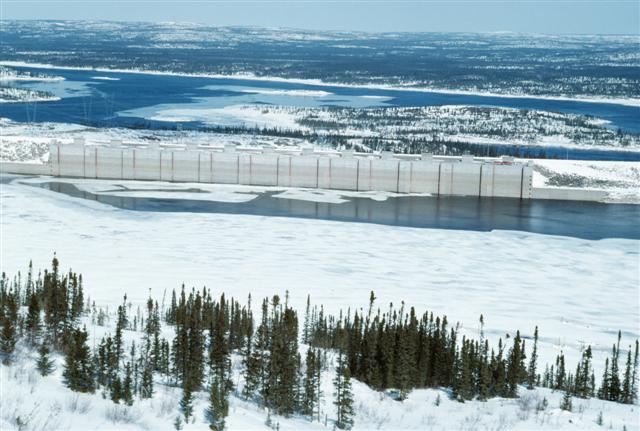
Already, summer shipping season along the NSR is marked by a new development. In the summer of 2011, the Russian-owned Vladimir Tikhonov was noted as the first supertanker to sail through the NSR with loaded cargo exceeding 120,000 tones of gas condensate. In the same time Japanese – owned Sanko Odyssey, with the load of cargo exceeding 66,000 tons of iron ore concentrate, did complete a voyage from northern Russia to Jingtang in China.
Summer 2012 is very likely to bring the opportunity for the Korean built and Norwegian – owned tanker, Ribera del Duero Knutsen, to become the first LNG carrier to transit the Northern Sea Route from northern part of Norway to Japan.
Those indicators show significant interest from the Asian states in the Arctic Region. In May 2012 governments of South Korea and Norway came together to discuss the possibility of future partnership and mutual interest in developing high class infrastructure, including coastguards, search and rescue and hydrographic services for the future traffic increase.
As the potential oil and gas resources around the Norwegian coast are more predictable, the government expects the Snohvit gas field and the Goliat oil field to attract investments which might reach 9.2bn$.
As the sailing season extends, shipping companies will face the reduced cost of marine operations as distances between ports in Western Europe and Japan, eastern Russia and north – eastern China or Korea Peninsula, are almost 40 % shorter through the NSR than traditional passage over the Indian Ocean, Red Sea and the Suez Canal.
Commercial development in the Arctic will truly touch oil and gas reserves around Russian and Norwegian Arctic coast. It is estimated that there is a potential of 845 million m3 hydrocarbon resources in the North Sea, 780 million m3 in the Norwegian Sea and almost 950 million m3 in the Barents Sea around Russian North and Svalbard.
However, there are still commercial rationales and risks involved in the decision making process as of the geological uncertainties in the Arctic Region. Proven reserves would secure the companies´ financial plans and allow the sooner exploitation.
Expectation to keep the price of oil in the 80$ - 120$ range requires lowering the cost of production which leads to infrastructure development. It is however expected that other Arctic developments, such as offshore Greenland, with the high production cost, would require major investment in order to stay profitable. To date, Cairn Energy is the only company undertaking exploration in the Greenland Sea. The registered investment of over 1bn $ has not brought a major success. Greenland´s state – owned company, Nunaoil has shown the interest in the investment worth over 10bn$ in West Disko and in the Baffin Bay. Both plans are due in 2040.
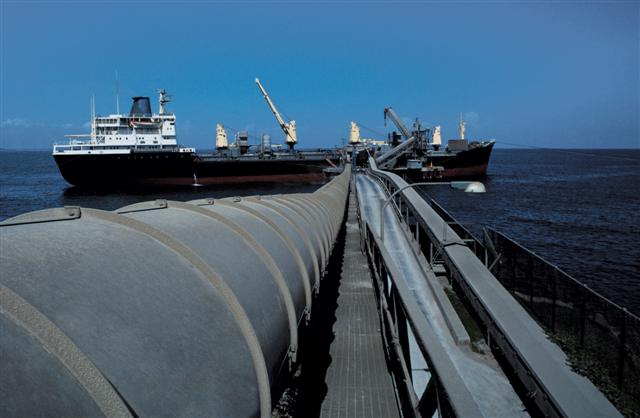
International Energy Agency predicts that the total investments in the oil and gas sector would reach 20,000bn$ between 2012 and 2038. Russia´s great contribution of overall investment, going up to 50bn$ has been made by the Shtokman, far largest potential offshore Arctic project. In oil, TNK-BP plans to spend up to 10bn$ on developing onshore Arctic oilfields in the Yamal – Nenets Autonomous Area, with exports to Asia from 2015 – 2016.
Canada and United States also renewed their interests in the Arctic. Shell, ConocoPhillips, Statoil, Repsol and Eni won exploration leases for the Beaufort and Chukchi Seas in 2008, paying out a total of 2.66bn$.
There are many reasons for shipping and drilling companies to put their interests in the Arctic. Northern hemisphere has been much less geologically explored than other regions in the world. It logically gives a chance to discover the world class deposits. However the challenges and drawbacks are almost as many as opportunities. Remoteness, lack of infrastructure and difficult weather conditions which can disturb the production schedules are current logistical bottlenecks.
Source: Arctic Opening: Opportunity and Risk in the High North- Details
- Written by: ofurpaur
- Category: YAR & Features
- Hits: 13169
 Under the auspices of International Polar Year, co – sponsored by the International Council for Science and the World Meteorological Organization, more than 3,000 scientists from all over the world came together during the IPY 2012 ´"From Knowledge to Action" Conference, to greatly contribute to this knowledge sharing and current Arctic problems solving initiative.
International Polar Year (IPY) was initiated as international cooperative research dynamism and first introduced in 1882-1883. Its main objective was and still is, to provide scientific information about the fundamentals of meteorology and geophysics as well as to enhance all people’s knowledge and awareness about Polar Regions and associated, ongoing changes in both, opposite poles.
The initial idea of international cooperative polar research came from an Austro-Hungarian explorer and naval officer Lt. Karl Weyprecht who was a scientist and co-commander of the Austro-Hungarian Polar Expedition of 1872-74. Many of the earth's unique phenomena, such as circulatory systems for air and water and the Earth's magnetic field lines reach the surface in the polar areas. In addition, thick glaciers have trapped air and water from ancient times, which makes it easiest to observe these phenomena near the poles.
 Weyprecht realized that a comprehensive polar research could not be a task of a one nation only, but should involve a coordinated international effort. He recognized that a time of mere geographical discovery had past and a series of coordinated expeditions dedicated to scientific research should be undertaken to further peoples understanding on fundamentals of meteorology and geophysics.
Unfortunately, he died before the international research became a reality, but his inspiration led to an establishment of the largest coordinated series of scientific expeditions ever undertaken in the Arctic during the 19th century, or to what is now known as the First International Polar Year.
The first IPY was announced between the years of 1881 – 1883, where eleven nations came together to establish fourteen principal research stations across the Polar Regions.
The Second IPY, which took place in 1932 – 1933, was both proposed and promoted by the International Meteorological Committee. The main objective of the second research initiative was to investigate the global implications of the newly discovered “Jet Stream” and to conduct magnetic, aurora and meteorological observations at a network of research stations in the Arctic and Antarctic. It gathered researchers from more than forty different countries and came out as a great success in terms of scientific contribution.
 The third IPY was dedicated to the research on technology and science in the upper atmosphere and it was finally renamed to become International Geophysical Year (IGY).
The fourth IPY took place in 2007 - 2008 and happened to become the gigantic international scientific project with close to 10 000 scientists and 50 000 other participants from over 60 countries. The aim was to significantly increase the scientific knowledge and understanding of the polar areas and to conduct research projects beyond the resources of individual countries.
This year´s event took place in Montreal, Canada between 22nd and 27th of April. Main objective of the initiative was bringing the knowledge from former gatherings into action, as suggested by the conference’s theme. IPY 2012 drew attention of more than 3,000 international scientists to the Polar Regions, related ongoing challenges of globalization and climate change plus social and economical issues. Participants included Arctic and Antarctic researchers from all over the world and various fields of expertise such as policy and decision making, law, academia, industry and environment, representatives of non – governmental and non – profit organizations and circumpolar communities, including indigenous peoples from Russia and Northern Canada.
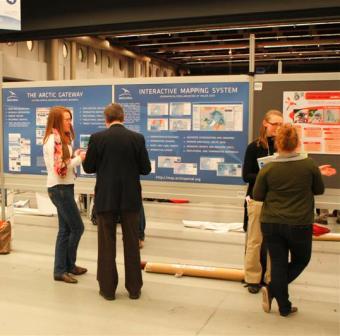 The conference welcomed speakers from various Arctic related disciplines, including experienced professionals, early career scientists and graduate students. They had a chance to perform during parallel sessions and feature presentations on the latest results from the natural, social, indigenous and health research.
Each day of the conference began with a keynote session and the plenary panel discussion. Matters generally touched on current environmental and political changes in the Polar Regions. They were addressed by experienced Polar officials from eight Arctic states and led to promotion of science based decision making process for the Polar Regions as well as cooperation and partnership with international industries, particularly focused on oil and gas exploitation. In addition, keynote sessions succeeded on bringing indigenous matters to the public awareness with the specific focus on environmental, health and social problems.
The integration of scientific research with the indigenous knowledge was the important aspect of this year´s conference. Representatives of the communities from Russia and Northern Canada shared the extensive intimate knowledge about the Arctic ecosystems in which they have lived for millennia. The deep understanding of the indigenous relationship with unique Arctic ecosystem, fate control, culture and spiritualism, greatly contributed to the holistic understanding of the Arctic.
The IPY 2012 invited participants for indigenous knowledge exchange panels as well as offered a space for action forums which brought up interactive discussions on current issues facing the Polar Regions. Discussions combined the knowledge from various disciplines and sectors including industry, policy, civil society, academics and indigenous representatives.
 Verity of workshops was available to all participants, concentrating on introducing science to policy makers and vice versa. Implementing current scientific knowledge and adjusting to ongoing changes was the main objective for the workshops organizers. Stimulating talks from Arctic Community members encouraged academics from educational institutions to try new spectrum of activities, experiments and lessons that would be possible to be adapted in their own classrooms. Association of Polar Early Career Scientists held the workshop on career development during the first two days of IPY 2012.
Conference delegates had a chance to complement their active participation in the sessions with a number of different tours, including technical and cultural tours, which were being offered through the whole week and were organized by local, polar – related facilities such as Canadian Space Agency, Ouranos Climate Change Research Consortium, Effigis, and Canadian Meteorological Center. Participants could visit the old port in Montreal, where CCGS Amundsen research icebreaker is currently based and opened for public visitors.
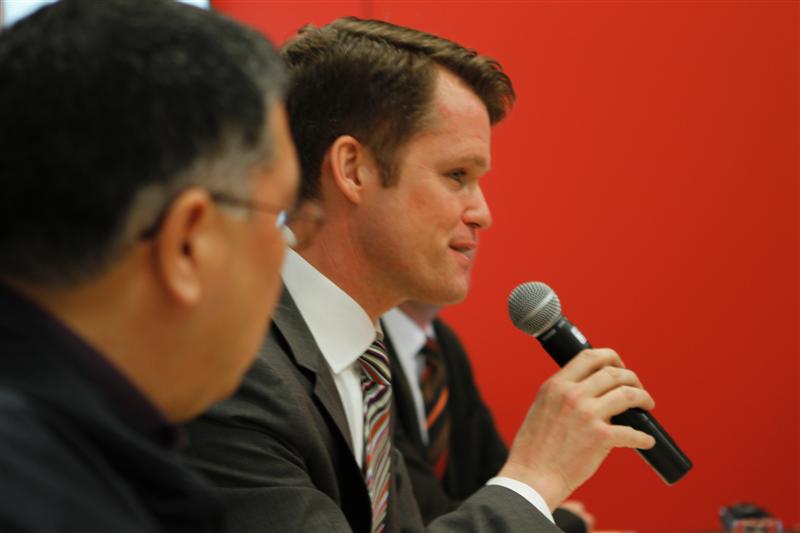 The experience of Inuit culture could be accomplished at the Avataq Museum Reserve, where the collection of close to 2000 Inuit works is placed. McCord Museum, which since 1967 has been promoting the works of artistes from Nunavik in Northern Quebec, presented the Modern Inuit Exhibition.
The IPY 2012 ´´From Knowledge to Action´´ was one of these year´s most important scientific gatherings for polar science and governance, climate change impacts and adaptation. More than 3,000 participants attended the conference which was more that pre - registered.
Please, visit our online gallery to see more pictures from IPY 2012 "From Knowledge to Action".
Text: Arctic Portal